Effective Speech Exercises for Stroke Patients

Speech Exercises for Stroke Patients

A stroke, often referred to as a cerebrovascular accident, is a debilitating condition that can lead to a range of physical and cognitive challenges. One of the most significant issues stroke survivors face is difficulty with speech and communication, a condition known as aphasia. Stroke rehabilitation is a crucial aspect of recovery, and stroke rehabilitation […]

Effective Speech Exercises for Stroke Patients Read More »
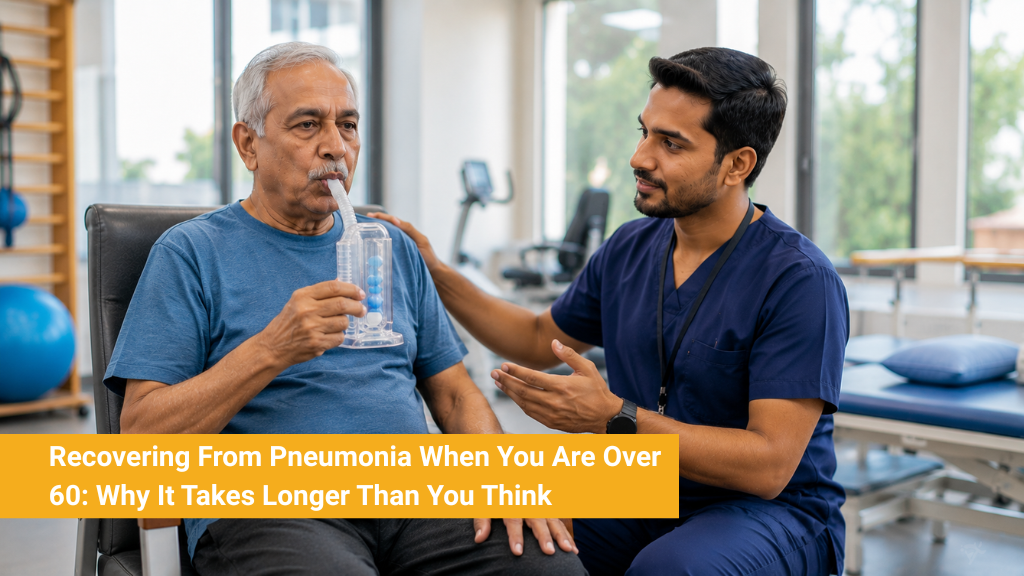
Recovering From Pneumonia When You Are Over 60: Why It Takes Longer Than You Think

Recovering From Pneumonia When You Are Over 60 Why It Takes Longer Than You Think

Pneumonia in older adults is not simply a lung infection that resolves with antibiotics and a week of rest. In patients over 60, pneumonia triggers a cascade of physiological stress that the body is far less equipped to absorb, compensate for, and reverse. The timeline that a 35 year old might expect (a course of

Recovering From Pneumonia When You Are Over 60: Why It Takes Longer Than You Think Read More »

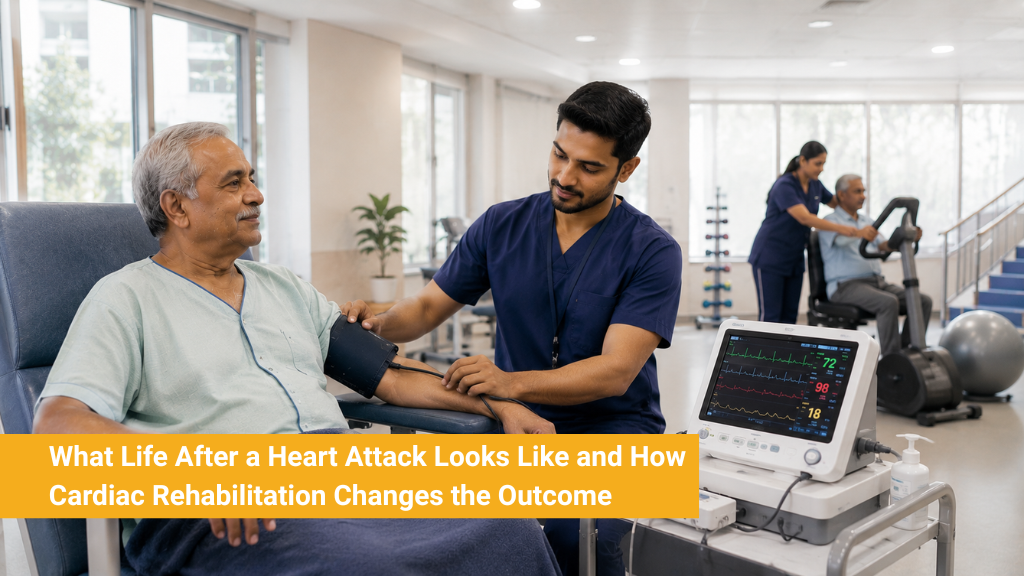
What Life After a Heart Attack Looks Like and How Cardiac Rehabilitation Changes the Outcome

A heart attack is a clinical event with a clear moment of onset and no clear moment of resolution. The stent is placed, the blocked artery is opened, and the patient is discharged with medications, a follow-up appointment, and a set of routine instructions. For many families across India, what follows that discharge is a

What Life After a Heart Attack Looks Like and How Cardiac Rehabilitation Changes the Outcome Read More »

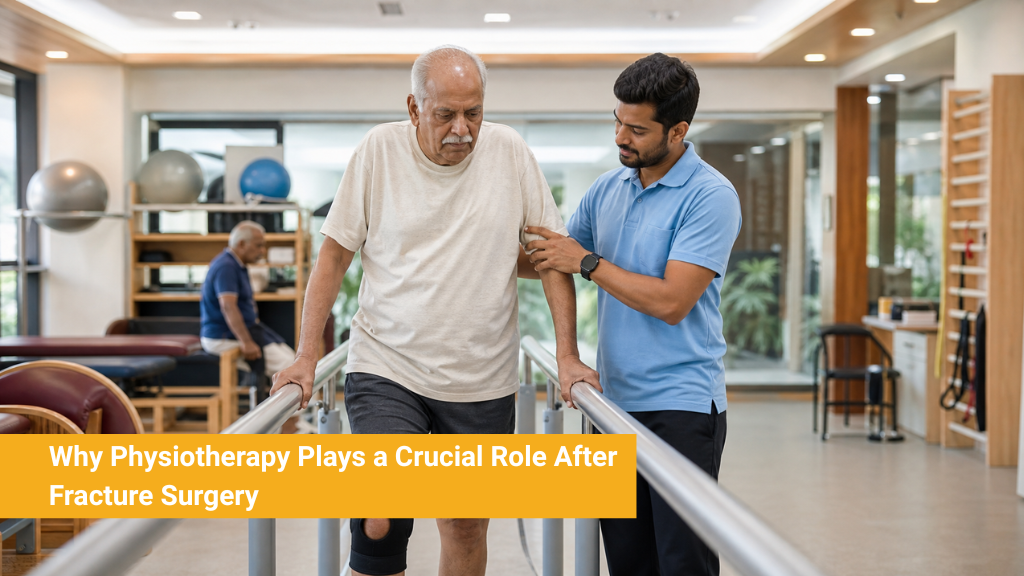
Why Physiotherapy Plays a Crucial Role After Fracture Surgery

Fracture surgery corrects the structural damage. During the surgery, the bone is plated, nailed, or pinned back into alignment, and the surgeon’s work, in most cases, is done. What the surgery cannot do is restore the function the fracture has taken. Muscle strength lost to pain and immobility, joint mobility sacrificed during fixation, the proprioceptive

Why Physiotherapy Plays a Crucial Role After Fracture Surgery Read More »

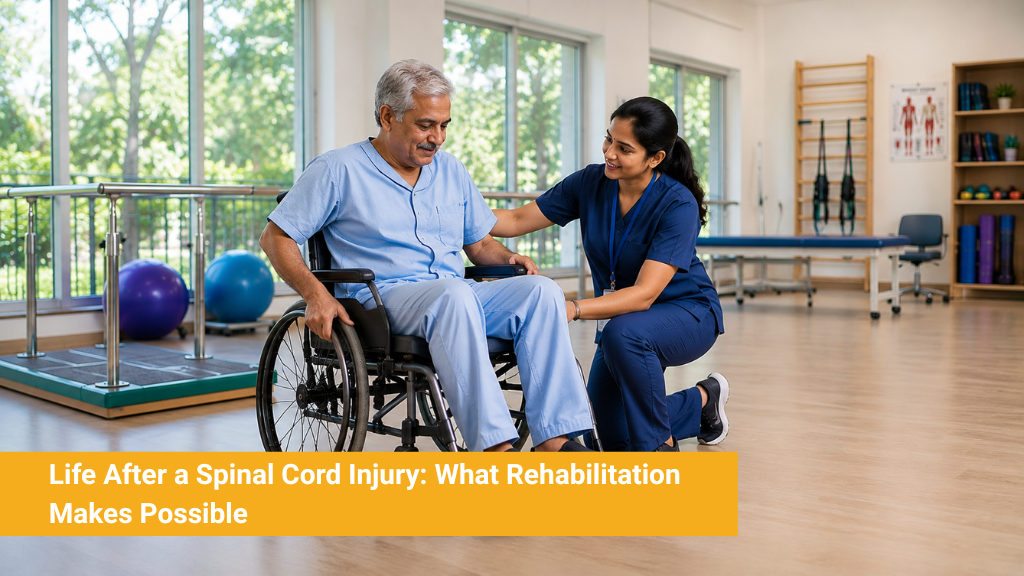
Life After a Spinal Cord Injury: What Rehabilitation Makes Possible

A spinal cord injury reorders everything in hours and sometimes even in minutes. The person who arrived at the emergency department with full movement and sensation may leave the acute ward weeks later with a fundamentally different relationship to their body, their independence and their sense of what the future holds. What rehabilitation can achieve

Life After a Spinal Cord Injury: What Rehabilitation Makes Possible Read More »

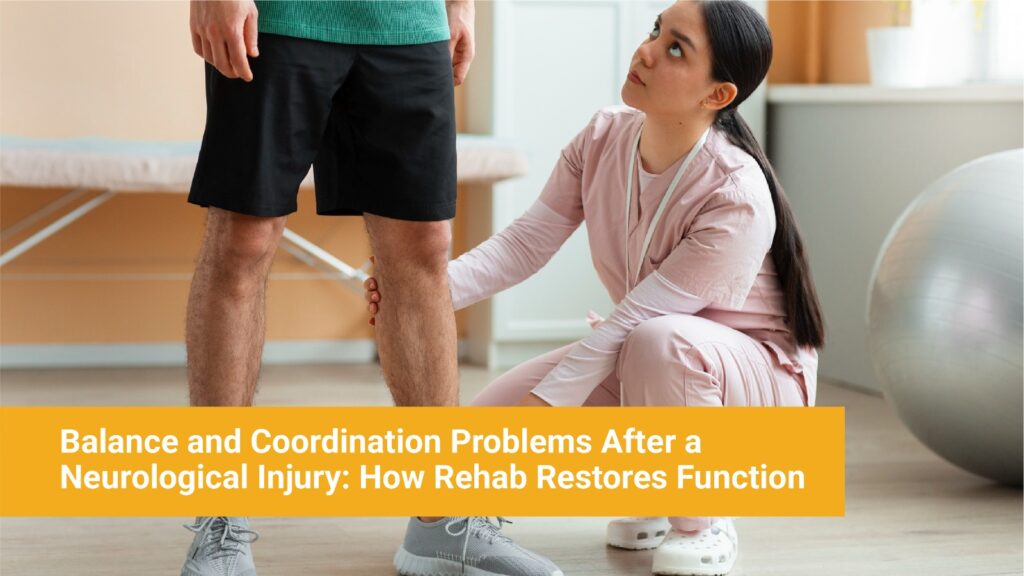
Balance and Coordination After Neurological Injury: How Rehabilitation Restores Function

Balance and Coordination After Neurological Injury: How Rehabilitation Restores Function

Balance and coordination difficulties are among the most functionally limiting symptoms of any neurological injury. They are also among the most underestimated things to be considered by families. A patient who appears to be making physical progress may still be at a higher fall risk that will cause harm over time or avoiding activity in

Balance and Coordination After Neurological Injury: How Rehabilitation Restores Function Read More »

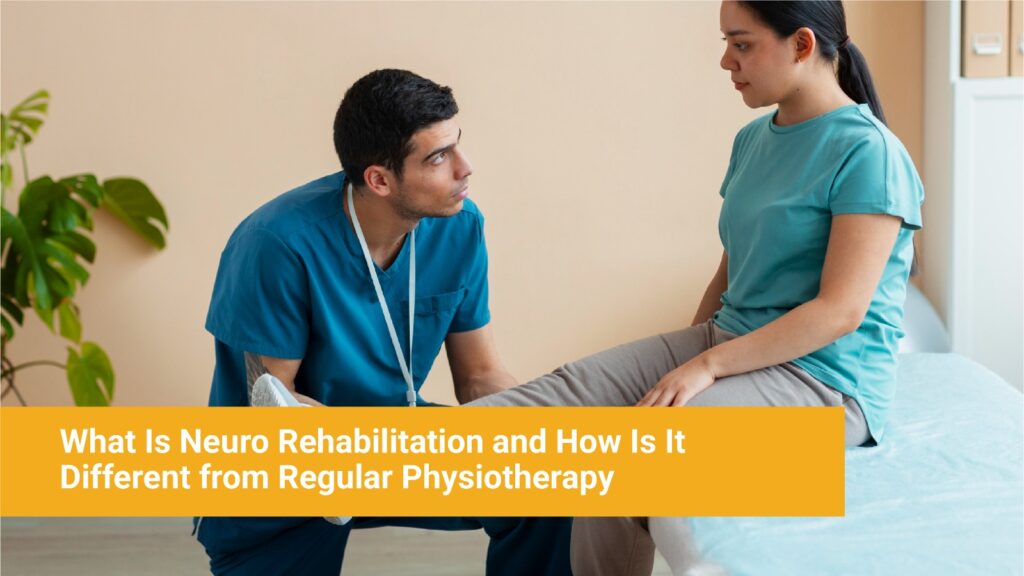
What Is Neuro Rehabilitation and How Is It Different from Regular Physiotherapy?

Neuro Rehabilitation vs Physiotherapy

Neuro rehabilitation is a term that appears on discharge summaries, in specialist referrals, and increasingly in conversations between families trying to understand what comes next after a stroke, brain injury, or spinal cord condition. It is also, despite its growing presence in clinical language, widely misunderstood – confused with general physiotherapy, assumed to be the

What Is Neuro Rehabilitation and How Is It Different from Regular Physiotherapy? Read More »

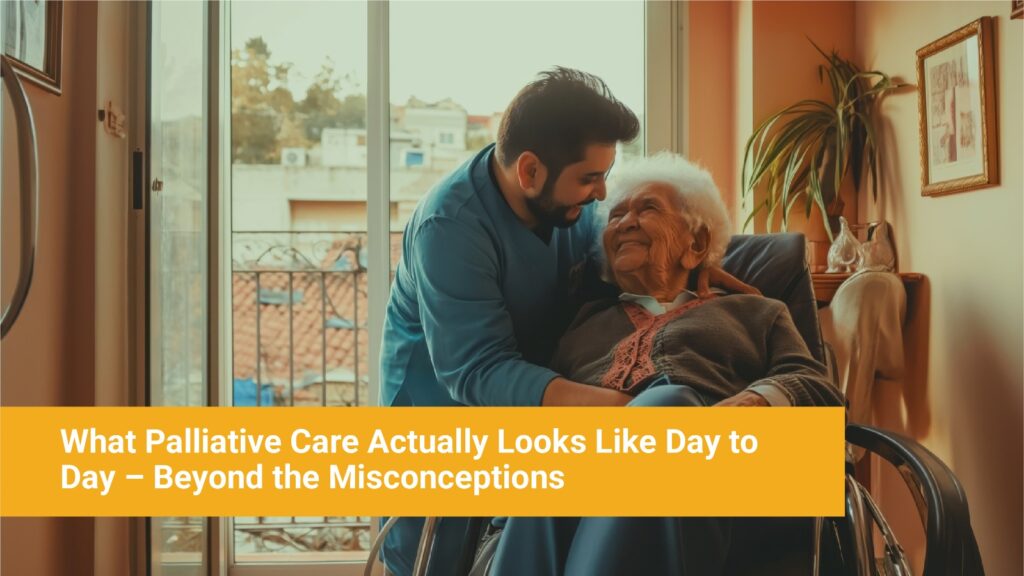
What Palliative Care Actually Looks Like Day to Day – Beyond the Misconceptions

What Palliative Care Actually Looks Like Day to Day - Beyond the Misconceptions

When the words “palliative care” come up, something shifts in the room. Families grow quiet, anxious, or visibly distressed. The assumption, almost universally, is that treatment is ending and hope is being withdrawn. It is one of the most common and consequential misunderstandings in serious illness care. Palliative care is not the withdrawal of treatment.

What Palliative Care Actually Looks Like Day to Day – Beyond the Misconceptions Read More »

What Is Dysphagia and Why Is Swallowing Difficulty After Stroke More Dangerous Than It Looks

What Is Dysphagia and Why Is Swallowing Difficulty After Stroke More Dangerous Than It Looks

In the days following a stroke, most families find themselves focused on the complications they can see (patient unable to lift their hand, words that are tangled or patient not able to speak at all, a face that has lost its symmetry) while a quieter and often more dangerous problem develops without announcement: difficulty swallowing,

What Is Dysphagia and Why Is Swallowing Difficulty After Stroke More Dangerous Than It Looks Read More »

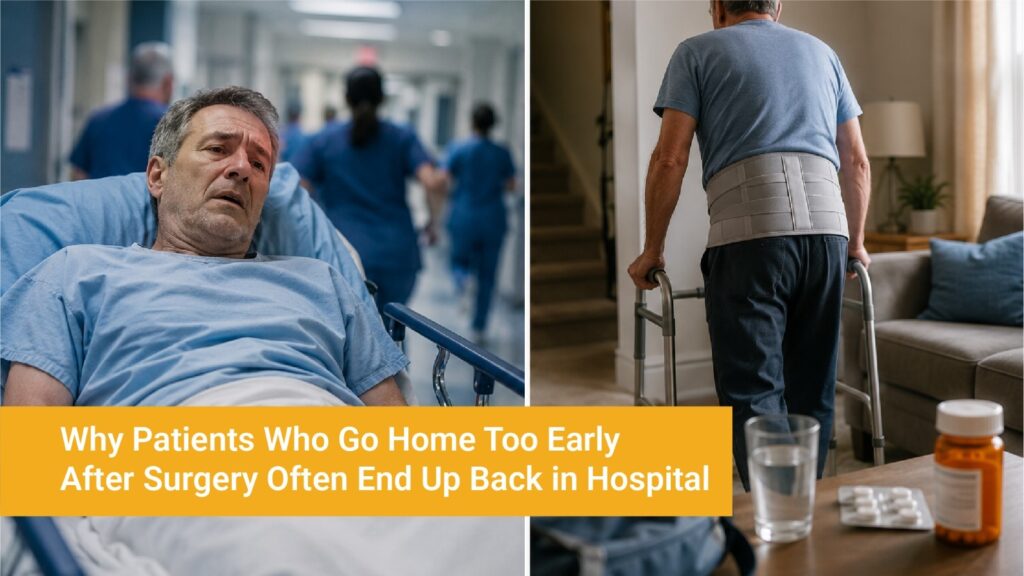
Going Home Too Soon: Why Early Discharge After Surgery Often Leads to Readmission

Why Patients Return After Early Surgery Discharge

A 68-year-old man in Kochi had a knee replacement – a planned procedure, well-executed, with no complications in theatre. Three days later, he was home. The family was relieved. Everyone agreed he was doing well enough to leave. Six days after that, he was back in the hospital. A wound infection, a high fever, and

Going Home Too Soon: Why Early Discharge After Surgery Often Leads to Readmission Read More »

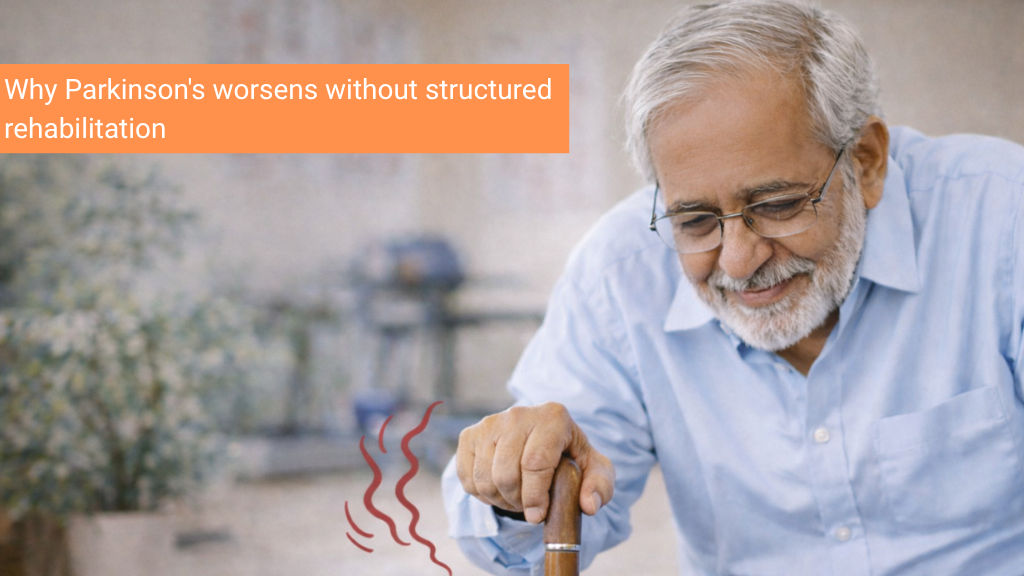
Why Parkinson’s worsens without structured rehabilitation

Why Parkinson's worsens without structured rehabilitation

Parkinson’s disease is a progressive neurodegenerative (neurological) disorder, which in due course is marked by movement, balance, coordination, as well as cognitive disorders. Even though medications play a significant role in symptom management, they are not the sole element of the care process. There is also a need to formulate rehabilitation (physiotherapy, occupational therapy, and

Why Parkinson’s worsens without structured rehabilitation Read More »

Scroll to Top

Enquire Now