
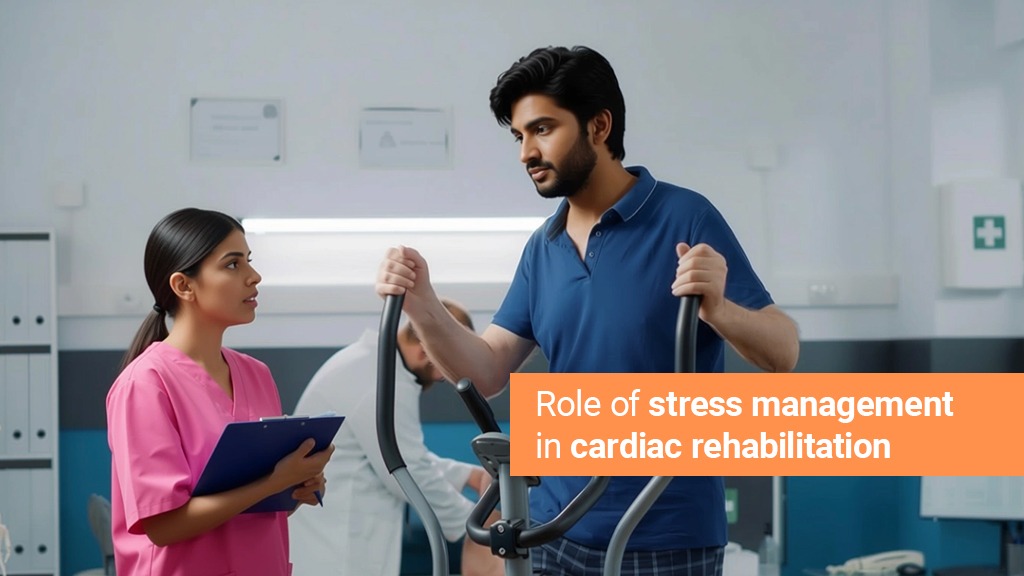
Whenever individuals consider cardiac rehabilitation, they usually imagine treadmills, exercise bikes, and heart monitors. Although physical activity is an essential part of recovery, another equally effective part that is not always perceived is stress management.
In patients who have been relieved after a heart attack, heart bypass surgery, or a heart- related incident, emotional stress may have as much strain on the heart as physical activity. Icalming the mind helps the heart heal faster.
Table of Contents
ToggleLearning the stress-heart connection
Stress can result in the fight or flight response of the body, and the hormones that it releases include adrenaline and cortisol. Whereas this response is useful in times of crisis, in the long term, persistent stress keeps the heart on alert.
This leads to:
- Increased blood pressure.
- Elevated heart rate.
- Raised cholesterol levels.
- Inflammation.
- Disrupted sleep patterns.
- Smoking or overeating.
To a person experiencing cardiac event recovery, this continued burden may inhibit recovery and cause complications.
Stress may also occur after a cardiac event
A heart attack or heart surgery is an emotionally exhausting experience. Many patients face:
- Anxiety of another heart attack.
- Fear of exercising.
- Loss of independence.
- Monetary or professional concerns.
- Emotional reliance on relatives.
Such concerns are not necessarily bad, but when they go unattended, they may insidiously cut recovery short
Role of stress management in cardiac rehabilitation
The cardiac rehabilitation program is based on a holistic approach to healing because it acknowledges the fact that physical recovery is directly influenced by emotional well-being.
1-Reduces strain on the heart
Stress management reduces heart rate and blood pressure through rest, thereby providing the heart with a peaceful environment that it requires to heal. The use of relaxation methods allows the nervous system to be controlled, enabling the heart to work more effectively.
2-Enhances exercise tolerance
Patients tend to be afraid to move due to anxiety. Management of stress helps develop confidence, allowing patients to regain faith in their bodies. If they reduce fear, patients can engage in activities that aid in rehabilitation, thereby yielding positive results.
3-Helps to control emotions
Depression and anxiety are problems that are common after cardiac events and increase the incidence of subsequent heart problems. Stress management techniques (counseling, mindfulness, and relaxation) enable patients to overcome their feelings and stabilize once more.
4-Educates a healthy lifestyle.
Stress is the major cause of poor lifestyle practices. Learning skills of coping with stress reduces the effects like emotional eating, increases the standard of sleep and medication compliance, all of them contributing to the maintenance of heart health in the long term.
5-Management techniques of stress in cardiac rehab
Stress management in cardiac rehabilitation programs is incorporated in practical and patient-friendly activities.
6-Breathing exercises
Slow breathing is relaxing to the nervous system, and the heart rate is lowered. The patients are educated on techniques that they may use when they are anxious or stressed.
7-Relaxation and mindfulness
Guided relaxation, meditation, and mindfulness as a series of practices are utilized to help patients stay in the present, worry less, and be in a better position to manage their emotions.
8-The power of a workout to relieve stress.
Exercise is a fun experience, and it aids in the release of endorphins, which are natural mood boosters, increases stamina, and improves circulation. Motion helps to restore bodily and spiritual health.
9-Counseling and emotional support.
Communication with the professionals will help the patients to conquer fear, grief, or lifestyle changes that may occur as a result of heart disease. In the recovery, emotional validation plays a very important role.
10- Education and reassurance
Knowledge of their status makes patients strong. Knowledge can be used to manage the fear and to make people feel that they have control over their health.
Family and its role in the reduction of stress
The relatives usually bring their own anxiety to a loved one.
Cardiac rehab assists families:
- Know recovery schedules.
- Encourage healthy routines.
- Emotional reassurance.
An informed support system is calm and less stressful for all.
Benefits of stress management in the long-term
Patients who actively apply stress management in cardiac rehab normally enjoy:
- Controlled blood pressure.
- Improved sleep.
- Higher energy levels.
- Less risk of cardiac events in the future.
- Improved quality of life.
Stress management is not a rehab activity, but it is a skill that should last a lifetime to help prevent heart conditions.
However, it is important to identify when stress should be addressed by a professional. Patients are advised to seek assistance when they have experienced:
- Constant anxiety or depression.
- Panic attacks.
- Severe sleep disturbances.
- Withdrawal from activities.
- Feelings of hopelessness.
The heart is not simply a pump; it is sensitive to feelings, thoughts, and challenges of everyday life. This is the fact that cardiac rehabilitation considers when it provides an opportunity to focus on both physical and emotional aspects of recovery.
Stress management is not an extra at Sukino; it is a component of cardiac recovery. Patients are aided throughout their recovery through soothing the mind, fortifying the body, and rebuilding confidence.

We are India’s first comprehensive continuum care provider. We provide multidisciplinary out of hospital care to acute and post-acute and chronically ill patients at our critical care facilities and your home.
- Sukino Healthcare
- Sukino Healthcare